
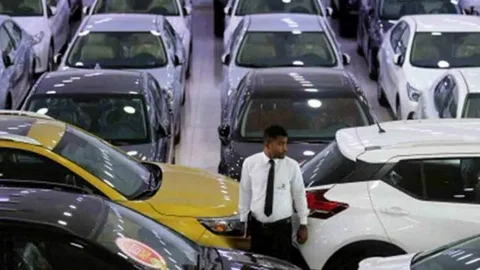
The automotive landscape in India is experiencing an unprecedented era of growth. It is moving far beyond standard industrial adjustments to secure permanent, historic milestones. The sector serves as a massive economic engine for the country. It directly drives manufacturing output, creates millions of jobs, and triggers large-scale infrastructure investments. Recent industry data reveals a
The automotive landscape in India is experiencing an unprecedented era of growth. It is moving far beyond standard industrial adjustments to secure permanent, historic milestones. The sector serves as a massive economic engine for the country. It directly drives manufacturing output, creates millions of jobs, and triggers large-scale infrastructure investments. Recent industry data reveals a stunning reality. India’s overall vehicle wholesale volume recently crossed a record milestone of 28.2 million units. This impressive figure reflects a double-digit, year-on-year growth rate across all major manufacturing segments.
This dramatic market evolution stems from a powerful mix of rising consumer wealth, urban expansion, and aggressive technological development. Furthermore, car buyers are completely changing how they evaluate value. Affordability was once the single defining factor for the average buyer. Today, modern consumers prioritize advanced vehicle safety, premium design elements, and eco-friendly powertrains. This shift forces global and domestic automakers to reinvent their product lines completely. They must innovate constantly to keep up with these rapidly changing preferences.
The Surging Demand for Personal and Commercial Mobility
A rapidly expanding middle class and fast-paced urbanization are supercharging vehicle sales across the nation. Personal mobility has transformed into an absolute necessity for millions of households. People need reliable transportation to navigate expanding cities and busy suburban corridors. At the same time, massive road infrastructure developments have connected remote rural markets to major economic hubs. Financial institutions have also stepped in with flexible loan options. These accessible financing plans make vehicle ownership a reality for diverse income groups.
When we break down the market dynamics, we see remarkable progress across all vehicle categories. Two-wheelers remain the undisputed backbone of everyday Indian transportation. This segment recently achieved a spectacular sales volume of over 21.7 million units. A strong financial recovery in rural regions directly fueled this surge. Additionally, a steady influx of stylish, fuel-efficient scooter models attracted younger buyers.
Meanwhile, passenger vehicles achieved an all-time high by crossing 4.6 million units. Buyers are showing an overwhelming preference for mid-size and compact sport utility vehicles. The commercial vehicle segment also experienced a powerful growth spike, reaching over 1.07 million units. This specific boom aligns with the dramatic expansion of online retail networks. E-commerce companies require massive, highly efficient fleets to manage long-distance freight and quick last-mile deliveries. Furthermore, nationwide industrial corridor projects continue to generate robust demand for heavy-duty trucks and tippers. Three-wheelers also posted impressive double-digit gains by serving as critical, low-cost transit solutions in congested urban spaces.

The Rapid Acceleration of the Electric Vehicle Ecosystem
Electric mobility has officially transitioned from a niche pilot phase into a massive mainstream movement. Total annual electric vehicle sales recently skyrocketed to an astonishing 2.45 lakh units. This represents a monumental leap forward for clean transportation. This rapid acceleration highlights a profound shift in consumer mindset. Buyers now clearly understand the long-term economic advantages of electric models. They appreciate the significantly lower daily operating costs. They also value the benefit of zero tailpipe emissions.
A critical driver of this green transition is the evolution of supportive government policies. The Indian government recently introduced the ambitious PM E-DRIVE scheme to succeed the older FAME guidelines. This updated policy framework provides clear financial incentives for manufacturers and consumers alike. It actively accelerates the setup of public charging infrastructure across major highways and cities. The Ministry of Heavy Industries continues to spearhead these crucial initiatives. Their clear goal is to reduce the nation’s heavy reliance on imported fossil fuels.
The passenger electric vehicle segment is currently experiencing explosive momentum. Electric cars and SUVs recently crossed the critical milestone of nearly two lakh annual units. This growth represents a spectacular surge. It has pushed green vehicle penetration in the passenger segment up to roughly four percent. At the same time, the electric two-wheeler market has transformed into an incredibly fierce competitive arena. Annual sales for electric scooters and motorcycles reached an impressive 14.01 lakh units.
The competitive landscape among major manufacturers is shifting rapidly. Tata Motors successfully maintains its leading position in the passenger electric car market. However, rival companies are applying intense pressure. JSW MG Motor has captured significant market share with its innovative vehicle rollouts. Meanwhile, Mahindra has experienced an extraordinary sales surge following the debut of its dedicated electric SUV platforms. The electric two-wheeler space is equally dynamic. Traditional manufacturing giants have aggressively expanded their production capacities. They are now actively overtaking earlier startup pioneers in total monthly sales volumes. Even global automotive leaders are preparing to launch localized electric models specifically tailored for Indian road conditions.
A Powerful Era of Digital Innovation and Premium Design
Digital technology is completely rewriting the traditional automotive retail playbook. The modern consumer journey now begins long before anyone steps inside a physical dealership. Buyers rely heavily on interactive online platforms to conduct deep vehicle research. They use digital tools to compare intricate tech features, calculate exact financing options, and book home test drives. In response, forward-thinking automotive brands are investing heavily in sophisticated virtual showrooms. They use advanced artificial intelligence to provide instant, round-the-clock customer support.
Furthermore, the rapid rise of connected vehicle technology is enhancing the daily driving experience. Modern vehicles are no longer just mechanical machines. They operate as rolling digital devices. Built-in software now provides drivers with real-time remote diagnostics and predictive maintenance alerts. These systems can identify mechanical issues before a breakdown occurs. They also offer seamless navigation assistance and constant vehicle monitoring through smartphone apps. This digital integration helps manufacturers build deeply loyal relationships with their customers. It simultaneously streamlines operational efficiency across sales and service networks.
Most importantly, consumer expectations regarding safety and vehicle quality have reached an all-time high. The impactful work of the Global New Car Assessment Programme has drastically increased public awareness about vehicle safety. Today, a high crash-test rating serves as a primary selling point rather than an afterthought. Buyers routinely demand advanced driver-assistance systems, panoramic sunroofs, and comprehensive 360-degree camera systems. Features that were once restricted to elite luxury cars are now standard in affordable family vehicles. In parallel, strict environmental regulations ensure that conventional gasoline engines adapt to green targets. New vehicles must maintain full compliance with ethanol-blended fuels to meet rigid emission standards. The Indian automobile market has successfully entered a self-sustaining cycle of innovation. It is firmly positioned to remain a vital engine of national economic growth for decades to come.