
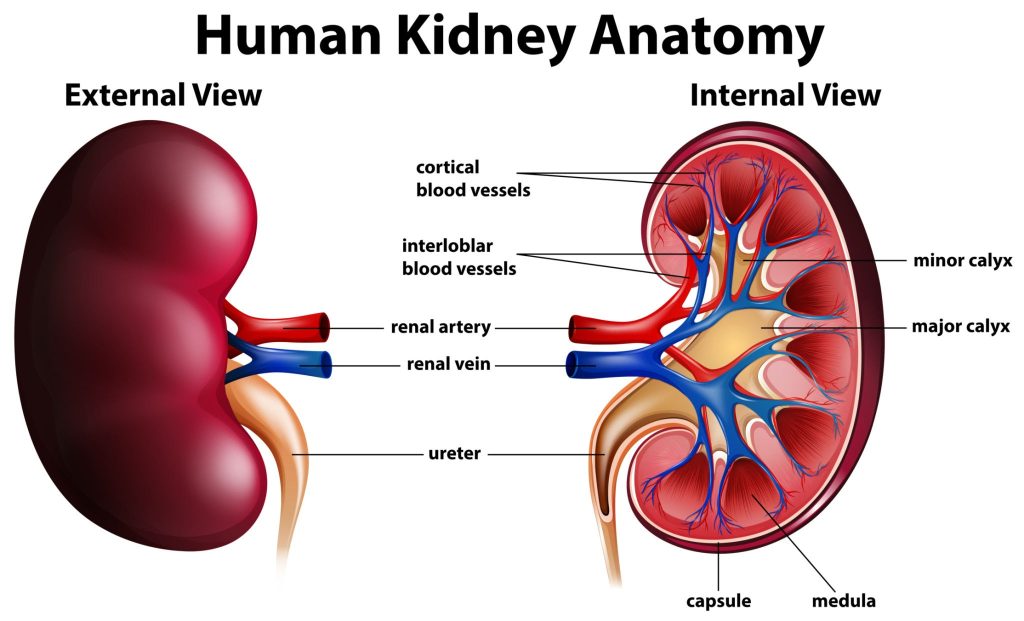
At Nephcure, our mission is to educate, support, and empower patients and families affected by rare kidney diseases. Understanding treatment options is critical for managing complex conditions, reducing complications, and improving quality of life. Rare kidney diseases such as APOL1-related kidney disease, C1q nephropathy, and C3 glomerulopathy often require specialized care, and awareness of treatment
At Nephcure, our mission is to educate, support, and empower patients and families affected by rare kidney diseases. Understanding treatment options is critical for managing complex conditions, reducing complications, and improving quality of life. Rare kidney diseases such as APOL1-related kidney disease, C1q nephropathy, and C3 glomerulopathy often require specialized care, and awareness of treatment strategies can make a meaningful difference in patient outcomes.
In this article, we explore APOL1 treatment, C1q nephropathy treatment, and C3 glomerulopathy treatment, offering insights into how these diseases are managed and what patients and families should know.
Why Understanding Treatment Options Matters
Rare kidney diseases can be challenging to diagnose and manage. Patients often face:
- Complex medical terminology
- Limited awareness among general practitioners
- Overlapping symptoms across different conditions
By learning about apol1 treatment, c1q nephropathy treatment, and c3 glomerulopathy treatment, patients and caregivers can:
- Make informed decisions with their healthcare team
- Monitor symptoms more effectively
- Advocate for personalized care
- Improve long-term outcomes
At Nephcure, we emphasize that knowledge empowers patients to take proactive steps toward managing their kidney health.
APOL1-Related Kidney Disease: Treatment Approaches
APOL1-related kidney disease is linked to genetic variants in the APOL1 gene. While not everyone with APOL1 variants will develop kidney disease, those who do may experience proteinuria, high blood pressure, and declining kidney function.
Key APOL1 Treatment Strategies
APOL1 treatment focuses on managing symptoms and slowing disease progression:
- Blood pressure control: Using ACE inhibitors or ARBs to reduce kidney stress.
- Proteinuria management: Medications that reduce protein loss can protect kidney function.
- Lifestyle modifications: Diet, exercise, and avoiding nephrotoxic substances support kidney health.
- Clinical trials and emerging therapies: Research is ongoing for treatments that target APOL1-specific pathways.
Why Early Intervention Matters
Early recognition and treatment can prevent complications, preserve kidney function, and improve quality of life. At Nephcure, we encourage patients with APOL1 risk variants to engage in regular monitoring and discuss personalized treatment plans with their nephrologist.
C1q Nephropathy: Managing the Condition
C1q nephropathy is a rare kidney disease involving abnormal deposits of C1q protein in the glomeruli, often leading to inflammation and kidney damage.
Common C1q Nephropathy Treatment Options
C1q nephropathy treatment is tailored based on disease severity and symptoms:
- Immunosuppressive therapies: Medications such as corticosteroids or other immunosuppressants help control inflammation.
- Blood pressure management: ACE inhibitors or ARBs may reduce kidney damage and proteinuria.
- Proteinuria reduction: Targeted medications can slow disease progression.
- Lifestyle and supportive care: Maintaining a kidney-friendly diet, managing salt intake, and monitoring weight and swelling.
Personalized Care Matters
Because C1q nephropathy can vary widely among patients, treatment plans must be individualized. Regular monitoring through urine and blood tests helps nephrologists adjust therapy for optimal results.
At Nephcure, we emphasize that persistence and adherence to treatment plans are crucial for improving long-term outcomes.
C3 Glomerulopathy: Treatment Strategies
C3 glomerulopathy (C3G) is caused by dysregulation of the complement system, leading to abnormal deposition of C3 protein in the kidneys and progressive kidney damage.
Understanding C3 Glomerulopathy Treatment
C3 glomerulopathy treatment aims to control symptoms, slow progression, and reduce inflammation:
- Complement-targeted therapies: Emerging treatments focus on regulating the complement pathway.
- Immunosuppressive medications: Corticosteroids and other immunosuppressants may be used depending on disease activity.
- Blood pressure and proteinuria management: ACE inhibitors or ARBs help protect kidney function.
- Lifestyle modifications: Healthy diet, avoiding nephrotoxic medications, and regular monitoring.
Importance of Close Monitoring
C3G can behave unpredictably, with periods of remission and flare-ups. Regular follow-up with a nephrologist ensures timely adjustments to treatment and helps preserve kidney function.
At Nephcure, we advocate for early detection, consistent monitoring, and patient-centered care in managing C3 glomerulopathy.
Shared Treatment Principles Across Rare Kidney Diseases
Although APOL1-related kidney disease, C1q nephropathy, and C3 glomerulopathy are distinct conditions, they share several treatment principles:
- Managing proteinuria and blood pressure to protect kidney function
- Using immunosuppressive or targeted therapies where appropriate
- Regular monitoring through labs and clinical visits
- Lifestyle support including diet, exercise, and avoiding harmful substances
Understanding these shared principles helps patients recognize the importance of comprehensive care and follow-up.
How Nephcure Supports Patients and Families
At Nephcure, our commitment extends beyond education:
- Funding research to discover new therapies and improve treatment options
- Providing accessible resources for patients and caregivers to understand their disease and treatments
- Connecting patients and families to support communities for shared experiences and guidance
- Advocating for policy and research funding to improve access to care for rare kidney diseases
We believe that informed patients are empowered patients, and supportive communities enhance the care journey.
Empowerment Through Treatment Knowledge
Learning about apol1 treatment, c1q nephropathy treatment, and c3 glomerulopathy treatment equips patients to:
- Discuss care plans confidently with their healthcare team
- Recognize the importance of symptom monitoring and lab testing
- Engage in shared decision-making regarding medications and lifestyle choices
- Advocate for access to clinical trials and emerging therapies
Knowledge transforms uncertainty into proactive steps for health management.
Looking Ahead With Hope
Rare kidney diseases may be complex, but there is hope. Research, awareness, and patient advocacy are driving improvements in early detection, personalized care, and treatment options.
At Nephcure, we stand beside patients and families, providing guidance, resources, and community support. By educating patients about APOL1 treatment, C1q nephropathy treatment, and C3 glomerulopathy treatment, we help transform uncertainty into actionable knowledge.
Together, we can empower patients, advance research, and create a future where rare kidney diseases are better understood, managed, and ultimately treated effectively.