
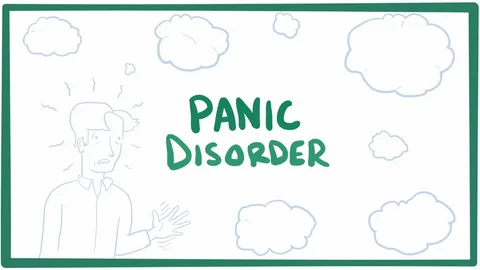
For someone who never experienced a panic attack, imagining this terror proves genuinely difficult. People often mistake severe panic for simple nervousness. Yet, a panic attack unleashes a sudden wave of fear. It strikes without any clear warning sign. Physical symptoms arrive with terrifying speed. A racing heart, severe shortness of breath, sudden dizziness, and
For someone who never experienced a panic attack, imagining this terror proves genuinely difficult. People often mistake severe panic for simple nervousness. Yet, a panic attack unleashes a sudden wave of fear. It strikes without any clear warning sign. Physical symptoms arrive with terrifying speed. A racing heart, severe shortness of breath, sudden dizziness, and tight chest pain overwhelm the body. Sufferers genuinely believe they face a catastrophic medical emergency.
Consequently, many first-time sufferers rush straight to hospital emergency rooms. They feel entirely convinced of an impending heart attack. Doctors run multiple diagnostic tests. Medical professionals find zero cardiac problems. When these frightening episodes recur frequently, physicians diagnose panic disorder. This condition shapes a person’s entire daily existence.
What Makes Panic Disorder Different
Everyone feels occasional anxiety. However, panic disorder differs significantly from normal stress. Attacks happen unpredictably. They strike even during moments of total calm. Afterward, a persistent fear takes root in the mind. People worry constantly about the next impending attack. This anticipatory fear disrupts daily routines immensely. Individuals begin avoiding specific places. They dodge crowded spaces, driving, flying, or leaving their homes entirely. These locations feel extremely risky because an attack might strike at any moment.
This avoidance behavior creates a dangerous psychological trap. In severe cases, it evolves into debilitating agoraphobia. Panic disorder quietly takes complete control of a person’s world. What starts as avoiding one specific trigger slowly expands over time. People avoid more situations every single week. Their personal world shrinks dramatically. Unaddressed panic disorder ruins a person’s overall quality of life. Families notice these gradual changes. Loved ones watch helplessly as friends withdraw from normal social interactions.
Why Panic Disorder Goes Undiagnosed
Many people struggle to recognize the condition initially. Physical symptoms naturally drive individuals toward urgent care clinics or cardiologists. Sufferers undergo numerous medical tests. These tests consistently return completely normal results. Eventually, a medical professional raises the possibility of panic disorder. This diagnostic delay causes severe problems. Longer delays allow avoidance behaviors to entrench deeply. Treatment takes much longer once it finally starts. Recognizing early patterns changes everything. Recurrent, random attacks paired with a constant fear of future episodes demand immediate professional attention. Proper help stops the cycle early. Patients save months of unnecessary worry. They regain peace of mind much faster through early intervention.
The Diverse Spectrum of Panic Symptoms
Panic symptoms affect various dimensions of human health. Physical symptoms include a racing heart, intense chest tightness, rapid breathing, and sudden dizziness. Observers often mistake these physical signs for a major heart attack or medical emergency. Emotional symptoms feature a sudden wave of intense fear and a profound sense of impending doom. People frequently misinterpret these emotional peaks as general nervousness. Behavioral symptoms involve avoiding specific places or situations tied to past episodes. Outsiders might mistakenly view this avoidance behavior as simple shyness. Cognitive symptoms entail a terrifying fear of losing control or going crazy. Friends or family members might wrongly label these internal struggles as mere dramatics. Each symptom category interacts with the others. Together, they create a compounding cycle of distress.
The Biology Behind the Fear
Panic attacks transcend mere willpower. They never stem from a simple lack of mental toughness. Instead, they involve a precise physiological reaction. The human body activates its fight-or-flight system without any real external danger present. Adrenaline surges powerfully through the bloodstream. Heart rates spike instantly. Breathing becomes shallow and rapid. The body reacts exactly like it would during a life-threatening encounter. Understanding this biological foundation helps patients tremendously. It reframes panic attacks as treatable medical conditions rather than personal failings. Patients no longer need to endure meaningless guilt. They understand that physical reactions stem from biological misfires.
What Effective Treatment Looks Like
Effective treatment changes everything. Panic disorder responds remarkably well to proper clinical care. Successful recovery combines therapeutic and medical strategies. Cognitive behavioral therapy stands out as a premier approach. This therapy helps patients understand the core panic cycle. It challenges catastrophic thinking patterns directly. Patients gradually reduce avoidance behaviors through structured exposure exercises. This structured approach significantly shrinks both the frequency and intensity of attacks. Sometimes, medical professionals prescribe specific medications. Medications help during periods when attacks happen too frequently.
They stabilize the patient so therapy works more effectively. However, medication works best as part of a comprehensive treatment plan rather than a standalone fix. Every individual requires a customized approach. Panic disorder manifests differently for everyone. Some people experience rare, intense episodes. Others endure frequent, milder attacks alongside severe lifestyle limitations. Proper evaluations determine the ideal combination of treatments for each unique patient. Skilled therapists guide individuals through every single recovery step.
Why Getting Evaluated Matters
Comprehensive evaluations matter immensely. Symptoms overlap heavily with various physical health conditions. A psychiatric evaluation rules out alternative medical causes. It also builds an accurate, personalized treatment plan. Trying to manage panic attacks alone rarely succeeds. Assuming symptoms will fade naturally only deepens avoidance patterns. Seeking specialized panic disorder treatment provides a clear path forward. Accurate diagnoses allow clinicians to target the root drivers of panic instead of applying generic anxiety strategies. Professional insight uncovers hidden triggers. Experts design targeted interventions for lasting relief.
Reclaiming a Sense of Control
Reclaiming control represents a major milestone. Living with panic disorder strips away a person’s sense of bodily autonomy. Effective treatment tackles more than just attack frequency. It shatters the cycle of fear and avoidance. Soon, everyday activities lose their terror. Driving, socializing, and leaving the house stop feeling like massive risks. Recovery remains completely realistic and achievable with proper support. Most individuals experience profound improvements through structured treatment. Their overall confidence grows exponentially. They regain the freedom to engage with daily life without constant dread hanging over their heads. Personal independence returns fully.
Final Thoughts on Recovery
Panic disorder remains a completely real, diagnosable, and highly treatable condition. It never represents a personal weakness or a character flaw. Recognizing recurring patterns, understanding underlying biology, and seeking professional evaluations mark the first crucial steps. Patients break destructive cycles of fear and avoidance successfully. With a dedicated treatment plan, anyone can regain stability and control over their future. Lasting wellness waits for those who seek professional guidance.