
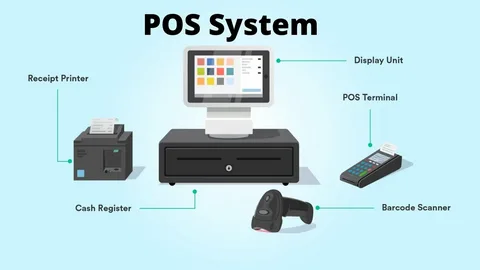
In today’s fast-paced retail and hospitality environment, deploying a reliable Point of Sale (POS) system is no longer just a minor convenience. It has quickly become an absolute necessity for daily survival and long-term growth. Modern POS platforms do far more than process basic cash or credit card payments at a checkout counter. These intelligent
In today’s fast-paced retail and hospitality environment, deploying a reliable Point of Sale (POS) system is no longer just a minor convenience. It has quickly become an absolute necessity for daily survival and long-term growth. Modern POS platforms do far more than process basic cash or credit card payments at a checkout counter. These intelligent digital ecosystems actively automate inventory tracking, elevate the entire customer experience, analyze complex sales data, and ensure that your daily business operations run smoothly.
Choosing the right digital platform impacts your overall operational efficiency, consumer satisfaction, and long-term profitability. From small boutique retail shops to sprawling chain restaurants, every business needs an integrated, scalable, and user-friendly setup. Store owners around the globe are constantly seeking innovative ways to gain a clear competitive edge. Because of this, investing in the right tech stack has become a major priority for modern leadership.
The Specialized Needs of the Middle Eastern Market
This technology search carries critical regulatory weight for businesses expanding their footprint across the Middle East. Enterprises operating within Saudi Arabia must specifically implement high-quality systems that local operators refer to as the “أفضل نظام برنامج نقاط البيع”. This Arabic phrase translates directly to the absolute best POS software system. These specialized regional solutions do not merely satisfy standard operational business needs. They also fully comply with rigid Saudi electronic invoicing regulations and strict Value-Added Tax (VAT) standards.
Implementing a certified setup guarantees seamless daily storefront sales while ensuring total compliance with all local fiscal laws. It helps local entrepreneurs avoid devastating financial penalties from regulatory authorities. Furthermore, it protects the company’s hard-earned brand reputation in a highly competitive marketplace.
Critical Features Found in Modern POS Ecosystems
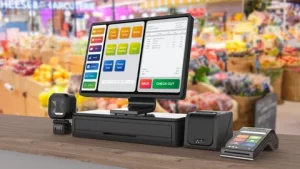
A premium POS system must offer an array of robust features that cater to diverse business configurations. First and foremost, the platform must handle advanced sales and flexible payment processing. Your terminal needs to accept multiple payment methods smoothly. These methods include traditional cash, standard debit cards, modern mobile wallets, and online checkout systems. It must also provide seamless support for contactless payments and near-field communication (NFC) technologies to ensure exceptionally fast checkout speeds.
Secondly, automated inventory management is an indispensable feature for modern commercial enterprises. High-quality systems track your stock levels in real time across multiple physical branches and digital e-commerce storefronts. They instantly generate automated alerts when items drop below pre-set reorder points. This proactive tracking prevents frustrating out-of-stock situations. It also stops you from tying up precious capital by over-purchasing unpopular merchandise.
Thirdly, built-in Customer Relationship Management (CRM) tools allow you to study consumer purchasing histories. You can use these insights to launch highly personalized promotions, special discounts, and rewarding loyalty programs.
Finally, deep reporting and analytics modules gather raw sales figures to produce actionable financial summaries. These tools help you monitor individual employee performance and spot emerging consumer trends. They also allow you to connect your front-end registers with back-office accounting software, external e-commerce sites, and enterprise resource planning (ERP) systems. This cross-platform integration keeps all your vital business channels completely synchronized.
Exploring the Diverse Forms of POS Architecture
Point of Sale systems are available in several distinct architectures. Each design fits specific business models and operational environments perfectly. Retail POS systems serve traditional stores and apparel boutiques. They focus heavily on barcode scanning, fast returns processing, and matrix inventory setups.
In contrast, specialized restaurant POS systems include advanced features like interactive table mapping, kitchen display screen routing, menu customization, and automated gratuity tracking.
Mobile POS (mPOS) solutions leverage portable tablets or smartphones. These handheld devices are ideal for mobile food trucks, local open-air market vendors, and temporary pop-up shops. They give your sales staff the freedom to accept secure payments from anywhere on the sales floor.
Lastly, cloud-based POS platforms store all your vital operational data securely on remote web servers. This cloud setup allows business owners to manage multiple branches remotely. You can check your live sales metrics from any device with an active internet connection.
Top POS Software Solutions in 2026
Several leading software solutions stand out in the global and regional markets this year. Square POS remains incredibly popular among small to medium-sized businesses. It provides an exceptionally easy setup process along with highly intuitive payment processing features.
Lightspeed POS serves specialized retail establishments and busy restaurants that require heavy inventory tools.
Toast POS focuses its engineering efforts entirely on the restaurant and hospitality sector. It delivers advanced kitchen ordering workflows and robust, granular reporting capabilities.
Vend POS offers a highly scalable, retail-centric, cloud-based environment that integrates beautifully with several major payment gateways.
For businesses operating within the Gulf region, Mezan POS serves as a premier, localized solution. It is built from the ground up to comply fully with Saudi VAT laws and ZATCA e-invoicing standards.
Realizing the Substantial Benefits of Implementation
Deploying a modern platform introduces immediate, measurable advantages to your daily workflows. The automation of tedious manual calculation tasks drastically reduces human billing errors. It also frees up your floor staff so they can focus on assisting customers. Faster checkout lanes directly improve the consumer experience, which builds long-term customer loyalty.
Additionally, the rich data generated by back-end analytics allows executives to make confident, data-driven business decisions. In specialized regions like Saudi Arabia, these platforms keep your business completely aligned with ZATCA’s electronic invoicing phases. They handle complex digital signatures, unique cryptographic stamps, and automated XML invoice transfers silently in the background.
Navigating Potential Deployment Challenges
Despite these massive advantages, business owners must still prepare for a few practical challenges during the transition phase. You will encounter initial hardware acquisition costs and recurring monthly software subscription fees. Your company must also dedicate sufficient time to training your staff to navigate the new system effectively.
Furthermore, cloud-based setups require a stable, high-speed internet connection to sync live sales data properly. You should always ensure that your chosen platform features a robust offline mode. This protection ensures that your registers can safely cache sales data even during an unexpected network outage.
Finally, you must carefully verify that your new software is fully compatible with your existing business tools and barcode scanners.
Strategic Steps for Selecting Your Ideal Platform
Choosing the right partner requires a methodical, step-by-step approach. You should start by clearly assessing your specific daily operational needs. Identify the precise features that your staff uses most frequently.
Next, outline a realistic budget that includes software updates, hardware purchases, and long-term maintenance costs. Spend time researching multiple vendors and reading unbiased user reviews.
Always take full advantage of free trial periods or interactive system demos before signing a long-term contract. This hands-on testing allows you to verify the platform’s ease of use.
Lastly, ensure that your chosen software provider offers dependable, round-the-clock customer support. Quick troubleshooting updates are essential for keeping your checkout lines moving smoothly.