
Urban transportation enters a thrilling new era today. Autonomous driving technologies rapidly evolve from experimental pilot programs into commercial mobility services. Robotaxis capture global attention as one of the most disruptive innovations in modern transit. These self-driving vehicles provide on-demand ride-hailing without any human driver behind the wheel. They combine artificial intelligence, advanced sensors, high-definition
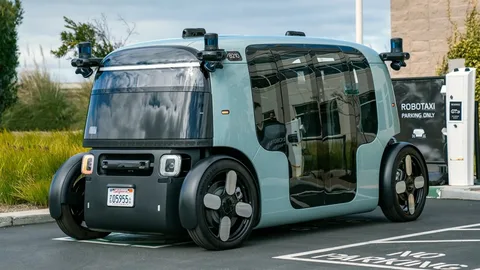
Urban transportation enters a thrilling new era today. Autonomous driving technologies rapidly evolve from experimental pilot programs into commercial mobility services. Robotaxis capture global attention as one of the most disruptive innovations in modern transit. These self-driving vehicles provide on-demand ride-hailing without any human driver behind the wheel. They combine artificial intelligence, advanced sensors, high-definition mapping, and connected mobility platforms. Consequently, they hold immense potential to improve road safety, reduce transportation costs, optimize traffic flow, and expand mobility access for millions of citizens. Governments and major technology companies invest heavily in these autonomous ecosystems. Therefore, robotaxis quickly become the cornerstone of next-generation smart cities.
Industry analysts track this market trajectory with intense focus. A study published by Vyansa Intelligence reveals that the global robotaxi market was valued at USD 1.98 billion in 2025. Furthermore, analysts project it will reach USD 98 billion by 2032. This expansion represents a compound annual growth rate of 74.61% spanning the 2026 through 2032 forecast period. Rapid advancements in autonomous driving technology fuel this momentum. Additionally, surging investments in artificial intelligence and growing deployments accelerate overall market growth.
Autonomous Mobility Shapes Efficient Cities
Cities worldwide desperately search for smarter transportation solutions. Officials want options that improve transit efficiency while actively reducing traffic congestion, harmful emissions, and high operating costs. Robotaxis offer a compelling alternative to conventional ride-hailing models. They deliver fully autonomous, on-demand transportation services. Moreover, they operate continuously without any driver-related fatigue or scheduling constraints.
Unlike privately owned cars sitting idle in driveways, robotaxi fleets maximize vehicle utilization. Shared mobility models allow fewer vehicles to transport significantly more passengers. This major shift supports broader urban sustainability goals. It reduces urban parking demand, enhances traffic efficiency, and encourages a transition toward transportation-as-a-service. Consequently, consumers rely less on private vehicle ownership. The concept has progressed rapidly from controlled research programs into widespread commercial deployments. Several pioneering companies operate active robotaxi services in selected metropolitan areas today. Meanwhile, new pilot projects expand worldwide as autonomous driving software matures. These exciting developments continuously strengthen long-term market growth.
Artificial Intelligence Drives Safe Operations
Artificial intelligence forms the absolute core of every robotaxi platform. Advanced autonomous driving systems process continuous data streams effortlessly. They analyze information collected from cameras, LiDAR, radar, ultrasonic sensors, GPS, and high-definition maps. This constant data processing helps vehicles understand surrounding traffic conditions instantly. Furthermore, computers make critical driving decisions within split seconds.
Modern artificial intelligence systems perform multiple complex tasks simultaneously. They execute object detection, lane recognition, pedestrian prediction, obstacle avoidance, route optimization, and motion planning within milliseconds. Continuous machine learning supercharges this capability. Autonomous fleets constantly improve their driving performance by learning from millions of kilometers of operational data. They gather this valuable data across diverse geographical environments. Academic researchers frequently highlight that safe autonomous driving depends on tightly integrated perception, localization, mapping, planning, and control systems. These components work together harmoniously to navigate dynamic urban landscapes safely. As artificial intelligence capabilities advance, autonomous ride-hailing services become increasingly efficient, scalable, and commercially attractive.
Commercial Deployments Accelerate Across Global Markets
The robotaxi industry has officially moved past laboratory testing phases. Companies now execute real-world commercial operations with great confidence. Leading technology firms, major automotive manufacturers, and agile mobility platforms expand pilot deployments rapidly. They collaborate closely with local governments to introduce autonomous ride services across dense urban centers.
Recent milestones demonstrate this accelerating momentum. For example, MOIA, the mobility subsidiary of Volkswagen, launched its first robotaxi passenger pilot service in Hamburg. This service utilizes autonomous electric vans. The company plans to expand service coverage and pursue fully driverless regulatory approval soon. Simultaneously, industry giants like Tesla, Waymo, Baidu Apollo, Pony.ai, and WeRide expand autonomous mobility deployments across North America, Europe, Asia, and the Middle East. These expanding commercial rollouts heavily influence future market forecasts. Autonomous transportation services transition into mainstream consumer options.
Regulation and Public Trust Shape Expansion
Advanced technology represents only one piece of the puzzle. Regulatory approval remains one of the most critical factors influencing robotaxi deployment. Governments worldwide develop rigorous new safety standards, cybersecurity requirements, software validation frameworks, and operational guidelines. These rules ensure autonomous vehicles integrate safely into legacy transportation networks.
The United Nations Economic Commission for Europe drives international progress through its WP.29 framework. This body advances regulations for automated driving systems. It provides clear guidance regarding software updates, cybersecurity protocols, automated lane-keeping functions, and strict vehicle safety standards. These international frameworks establish vital consistency across global autonomous vehicle regulations.
Public confidence also dictates adoption rates. Recent user experience research highlights positive consumer sentiments. Passengers genuinely appreciate the consistency, convenience, and affordability of robotaxis. However, riders still demand absolute transparency, robust emergency response capabilities, and clear in-ride communication. Building enduring public trust through safe operations remains essential for widespread expansion. Combined regulatory progress and rising public acceptance support broader commercialization.
Intelligent Ecosystems Define Future Transit
The future of robotaxis extends far beyond standalone autonomous vehicles. Emerging mobility ecosystems integrate connected infrastructure seamlessly. Vehicle-to-everything communications, advanced artificial intelligence, cloud computing, digital twins, and high-definition mapping create highly coordinated transit networks.
Future robotaxi fleets will collaborate directly with public transportation systems, electric vehicle charging stations, and smart city platforms. This synergy optimizes urban traffic flow, improves accessibility, and minimizes environmental footprints. Continuous breakthroughs in sensor technology, edge computing, and real-time decision-making enhance operational safety. Supported by rapid technological advances, growing commercial rollouts, supportive regulations, and smart infrastructure investments, the robotaxi market stands primed for monumental long-term growth. Autonomous mobility shifts from limited pilot programs into mainstream transport, fundamentally reshaping urban living and delivering safer, smarter, and more accessible mobility solutions for everyone.