

In today’s always-connected business environment, corporate communications can no longer operate in silos. Employees, customers, investors, and the public now consume information in real time—and often on the same platforms. Social media has emerged as a critical channel that not only amplifies external messaging but also strengthens internal alignment, culture, and transparency. When used strategically,
In today’s always-connected business environment, corporate communications can no longer operate in silos. Employees, customers, investors, and the public now consume information in real time—and often on the same platforms. Social media has emerged as a critical channel that not only amplifies external messaging but also strengthens internal alignment, culture, and transparency. When used strategically, social media becomes a powerful bridge between internal and external corporate communications.
The Expanding Scope of Corporate Communications
Corporate communications today extend far beyond announcements and media relations. Organizations are expected to communicate with clarity, authenticity, and speed, while maintaining consistency across multiple audiences. Social media has accelerated this shift by creating shared spaces where internal and external stakeholders often overlap.
A post intended for customers may be seen by employees. A leadership message shared internally can quickly be amplified publicly. This reality requires organizations to think holistically about their communications strategy, ensuring that messaging is aligned, intentional, and reflective of organizational values across all channels.
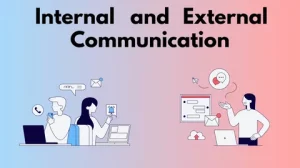
Strengthening Internal Communications Through Social Media
Promoting Transparency and Leadership Visibility
Transparency is a cornerstone of strong internal communications. Social media—particularly internal platforms such as Workplace, Slack channels, or enterprise social networks—allows leaders to communicate more frequently and informally than traditional top-down methods. Leadership updates, video messages, and interactive Q&A sessions help employees understand business priorities and feel connected to decision-makers.
Even external platforms can support transparency when leadership shares insights that align with internal messaging, reinforcing trust and reducing the gap between what employees hear internally and what the organization projects publicly.
Driving Engagement and Two-Way Dialogue
Unlike traditional internal communications tools, social media enables dialogue rather than one-way broadcasts. Employees can comment, ask questions, and share feedback in real time. This interaction creates a sense of inclusion and encourages participation across teams, locations, and departments.
Social recognition—such as highlighting employee achievements, project milestones, or community involvement—also plays a key role in strengthening morale and reinforcing company culture. Over time, these interactions contribute to higher engagement and stronger organizational cohesion.
Supporting Change Management and Alignment
During periods of transformation—such as mergers, restructuring, or digital initiatives—clear and consistent communication is critical. Social media supports change management by providing a continuous channel for updates, clarification, and reassurance. Employees can access timely information, hear directly from leadership, and better understand how changes align with the organization’s long-term vision.
When internal communications are reinforced through social platforms, organizations can reduce uncertainty and foster alignment more effectively.
Enhancing External Corporate Communications
Building Credibility and Brand Authority
Externally, social media allows organizations to communicate directly with stakeholders without intermediaries. Sharing thought leadership, executive commentary, and industry insights positions the organization as a credible authority. Consistent messaging across platforms reinforces brand identity and demonstrates professionalism and reliability.
Importantly, external communications are more impactful when they reflect internal realities. When employees recognize the same values and priorities being communicated publicly, it strengthens authenticity and trust.
Managing Reputation and Crisis Communications
Social media plays a critical role in reputation management and crisis response. In high-pressure situations, organizations can use social platforms to acknowledge issues, provide updates, and correct misinformation quickly. At the same time, aligned internal communications ensure employees understand the situation and can respond appropriately if questioned by clients or partners.
A coordinated internal and external approach helps organizations maintain control of the narrative and demonstrate accountability during challenging moments.
Leveraging Social Listening for Insight
Social media also functions as a real-time feedback mechanism. Monitoring engagement, comments, and sentiment provides valuable insight into stakeholder perceptions. These insights can inform both external messaging and internal decision-making, allowing organizations to adjust communication strategies based on real audience responses rather than assumptions.
Bridging Internal and External Communications
The true value of social media lies in its ability to unify internal and external corporate communications. This requires collaboration across communications, marketing, HR, and leadership teams. Shared messaging frameworks, content calendars, and governance guidelines help ensure consistency while allowing flexibility for different audiences.
Employee advocacy programs further strengthen this connection by empowering employees to share approved content and tell authentic brand stories. When internal understanding and external messaging are aligned, organizations present a cohesive and trustworthy voice.
Conclusion
Social media is no longer a supplementary channel within corporate communications—it is a strategic infrastructure that connects people, messages, and purpose across the organization. As internal and external audiences increasingly occupy the same digital spaces, businesses must move beyond fragmented messaging and adopt a unified approach that reflects clarity, authenticity, and intent.
By leveraging social media to enhance transparency, organizations can ensure employees feel informed, valued, and aligned with leadership priorities. At the same time, consistent external messaging strengthens credibility with customers, partners, investors, and the wider public. This alignment reduces reputational risk, improves engagement, and reinforces trust at every stakeholder touchpoint.
Long-term success also depends on governance and measurement. Clear policies, defined roles, and performance metrics help organizations maintain control without stifling authenticity. When social media strategies are guided by data and supported by cross-functional collaboration, corporate communications become more agile, responsive, and resilient.
Ultimately, organizations that treat social media as an integrated communications ecosystem—not just a marketing channel—are better positioned to navigate change, manage risk, and build lasting relationships. In an era defined by transparency and real-time engagement, social media stands at the center of effective strategic corporation communications, enabling organizations to speak with one voice while listening closely to the audiences that matter most.