
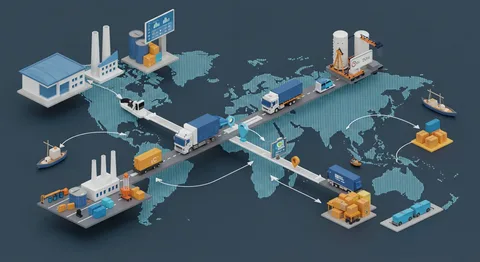
In today’s fast-paced business world, supply chain management forecasting has become essential for companies that want to stay competitive. Simply put, it’s the process of predicting future demand for products, planning inventory, and managing logistics efficiently. Accurate forecasting doesn’t just keep your shelves stocked—it can also save your business time, money, and unnecessary stress. In
In today’s fast-paced business world, supply chain management forecasting has become essential for companies that want to stay competitive. Simply put, it’s the process of predicting future demand for products, planning inventory, and managing logistics efficiently. Accurate forecasting doesn’t just keep your shelves stocked—it can also save your business time, money, and unnecessary stress.
In this blog, we will break down what supply chain forecasting is, why it matters, the techniques used, and how businesses can use it to become more efficient and cost-effective.
What is Supply Chain Management Forecasting?
At its core, supply chain forecasting is about predicting what your business will need in the future. This includes products, materials, and resources needed to meet customer demand. Forecasting allows companies to plan their inventory, production, and distribution ahead of time.
Think of it like planning a road trip. You wouldn’t leave without checking the weather, traffic, and fuel stations. Similarly, businesses cannot operate smoothly without forecasting future supply and demand.
Some key areas of supply chain forecasting include:
- Demand Forecasting: Estimating how much of a product customers will buy.
- Inventory Forecasting: Determining how much stock to hold at warehouses or stores.
- Supply Forecasting: Predicting when and how much materials will arrive from suppliers.
Accurate forecasting reduces waste, prevents overstocking or understocking, and ensures that operations run without delays.
Why Supply Chain Forecasting Matters
Businesses face many challenges today, from market fluctuations to supplier delays. Forecasting helps solve these problems by allowing companies to make data-driven decisions. Here’s how:
- Reducing Inventory Costs
Overstocking products can tie up money and storage space. On the other hand, running out of stock can result in lost sales. By using supply chain management forecasting, businesses can maintain the right inventory levels. This means less money wasted on storing excess products and fewer missed sales opportunities. - Saving Time in Operations
When companies know what they need in advance, planning production and distribution becomes easier. Teams spend less time reacting to shortages or last-minute orders. Operations become smoother, and employees can focus on more strategic tasks. - Improving Customer Satisfaction
Nothing frustrates customers more than unavailable products. Forecasting ensures that products are available when and where customers want them. Happy customers lead to repeat business and positive reviews, which indirectly saves money on marketing. - Reducing Supply Chain Risks
Forecasting helps identify potential disruptions, such as delays from suppliers or sudden demand spikes. Businesses can plan ahead, source alternative suppliers, or adjust production schedules to prevent losses.

Techniques Used in Supply Chain Forecasting
There are several methods businesses use to forecast supply and demand. These methods can be qualitative, quantitative, or a combination of both.
1. Qualitative Methods
Qualitative forecasting relies on expert opinions and market knowledge. It’s useful when historical data is limited or when launching a new product. Some popular approaches include:
- Delphi Method: Gathering expert opinions anonymously and combining them to create a consensus forecast.
- Market Research: Studying customer behavior, trends, and competitor strategies.
2. Quantitative Methods
Quantitative forecasting uses historical data and statistical models to predict future outcomes. Examples include:
- Time Series Analysis: Observing past sales trends to predict future demand.
- Moving Averages: Calculating average sales over a period to smooth out fluctuations.
- Regression Analysis: Studying relationships between variables, like marketing spend and sales.
3. Hybrid Methods
Many businesses combine qualitative and quantitative methods for more accurate and reliable forecasts. For example, they may use statistical models and adjust the results based on market research or expert insights.
Tools and Technology for Forecasting
Technology has made forecasting faster and more accurate. Today, businesses use software and AI tools to manage their supply chains. Some common tools include:
- ERP Systems: Platforms like SAP or Oracle integrate all parts of a business and provide real-time data.
- AI-Powered Tools: Artificial intelligence predicts trends based on huge datasets and can even suggest actions to optimize operations.
- Demand Planning Software: These programs help plan inventory levels, production schedules, and procurement strategies.
By using technology, businesses can save time, reduce errors, and make more informed decisions.
Real-Life Examples of Savings
- Retailers: Companies like Walmart and Target use forecasting to manage inventory across thousands of stores. This reduces excess stock, minimizes storage costs, and ensures products are available for customers.
- Manufacturing: Auto manufacturers rely on supply chain forecasting to order parts in advance. Accurate predictions prevent production delays and reduce costs associated with emergency procurement.
- E-commerce: Online stores use AI forecasting to predict demand spikes during holidays. By stocking products ahead of time, they avoid shipping delays and lost sales.
Best Practices for Accurate Forecasting
To get the most out of supply chain management forecasting, businesses should follow these best practices:
- Use Clean and Accurate Data: Forecasts are only as good as the data they rely on. Ensure data is updated, complete, and accurate.
- Combine Forecasting Methods: Use both qualitative and quantitative techniques for better accuracy.
- Collaborate Across Departments: Sales, production, and logistics teams should work together to provide insights and validate forecasts.
- Regularly Review and Adjust: Forecasting is not a one-time activity. Update forecasts based on new data and changing market conditions.
- Leverage Technology: Use software, AI, and analytics tools to save time and improve forecast accuracy.
Future Trends in Supply Chain Forecasting
The future of supply chain forecasting is exciting, with technology driving more precise and efficient predictions. Some trends to watch include:
- AI and Machine Learning: These technologies can process massive datasets, recognize patterns, and make predictions faster than humans.
- Real-Time Forecasting: IoT devices and sensors provide instant data, allowing companies to adjust inventory and production in real-time.
- Sustainable Forecasting: Companies are integrating environmental factors into forecasting to reduce waste and build greener supply chains.
Businesses that adopt these trends will save time, cut costs, and stay ahead of competitors.
Conclusion
Supply chain management forecasting is not just a business tool—it’s a necessity. Accurate forecasting helps businesses save time, reduce costs, prevent stock outs, and improve customer satisfaction. By using the right techniques, leveraging technology, and following best practices, companies can make their supply chains more efficient and resilient.
In short, businesses that invest in supply chain forecasting are investing in their future success. It helps them make smarter decisions, respond to market changes faster, and keep customers happy—all while saving money and time.