
Receiving a Surname Trademark Refusal from the USPTO creates a major roadblock for business owners. Entrepreneurs often build entire brands around family names or personal identities. Suddenly, federal examiners push back hard. Under Section 2(e)(4) of the Lanham Act, the USPTO routinely rejects applications. Examiners issue these refusals when they determine that a proposed mark
Receiving a Surname Trademark Refusal from the USPTO creates a major roadblock for business owners. Entrepreneurs often build entire brands around family names or personal identities. Suddenly, federal examiners push back hard. Under Section 2(e)(4) of the Lanham Act, the USPTO routinely rejects applications. Examiners issue these refusals when they determine that a proposed mark functions primarily as a surname in the minds of the general public.
Fortunately, this refusal never spells the absolute end for a growing brand. Business owners simply need a carefully constructed legal response. Trademark law requires solid legal arguments supported by credible evidence. Entrepreneurs across California and the entire United States must understand why this happens. Furthermore, they need clear options before choosing their next steps. Distinguishing a basic surname from a distinct brand identifier requires nuanced legal expertise. Ultimately, getting this right carries massive commercial consequences.
Why the USPTO Restricts Surname-Based Trademarks
The legal rationale behind Section 2(e)(4) centers on fair competition. Surnames belong to many different people simultaneously. Granting one single business exclusive trademark rights over a common last name creates unfair market conditions. It prevents other individuals who share that exact surname from using their birth names in commercial ventures. Therefore, the USPTO applies strict restrictions to protect the broader public interest. At the same time, the agency still allows legitimate businesses to protect personal brand names under specific legal conditions.
Examining attorneys evaluate several distinct factors during this review process. First, they check how frequently a term appears as a surname in public records. Second, they investigate whether the term carries any recognized meaning outside its use as a last name. Third, they look at whether the applicant shares that specific surname. Finally, they evaluate how the applicant presents the mark in official filings. If a term appears frequently in databases and lacks secondary brand meaning, examiners will trigger a refusal.
Building a business around a founder’s surname remains extremely common. Legal practices, consulting firms, fashion houses, and consumer brands frequently rely on family names. These names accumulate immense commercial recognition over time. Fortunately, the USPTO framework provides clear pathways to secure registration. However, navigating those pathways requires deliberate legal strategy and substantial evidentiary support.
The California Context: Why Local Expertise Matters
California’s dynamic business ecosystem generates a massive volume of trademark applications every year. Surname-based marks appear constantly across the state’s professional services firms, food and beverage brands, and creative industries. Many local applicants encounter Section 2(e)(4) refusals unexpectedly, especially when they file applications without professional legal counsel.
Working with a trademark attorney who understands California industries changes everything. Experienced lawyers bring contextual knowledge that directly shapes the response strategy. They know which arguments succeed before the Trademark Trial and Appeal Board. Furthermore, they know how to compile compelling evidence of acquired distinctiveness. They frame legal briefs precisely to address an examiner’s specific concerns. This skill comes from years of dedicated trademark practice rather than general legal experience.
California features a deeply diverse market. A surname that seems common in one demographic context might carry an entirely different commercial perception elsewhere. Attorneys familiar with regional and cultural dynamics weave these nuances into the response strategy. Consequently, they strengthen the argument that the mark functions primarily as a brand identifier rather than a personal name.
How Adams Law Office Guides Clients Through Refusal Responses
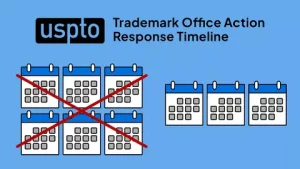
When the USPTO issues a Surname Trademark Refusal, applicants face strict deadlines. Typically, business owners have three months to respond. They can also request a single three-month extension if necessary. The official response must directly challenge the examiner’s findings. Moreover, it must present a robust legal argument backed by concrete evidence.
Adams Law Office helps clients navigate this complex process through a structured framework. First, the firm reviews the office action and analyzes the examiner’s specific reasoning. Next, the legal team evaluates potential solutions. They determine whether a Primary Register argument works best. This approach requires proving that the mark acquired distinctiveness through long, exclusive use in commerce. Alternatively, the firm explores Supplemental Register filings as a smart near-term strategy.
Proving acquired distinctiveness—often called secondary meaning—demands solid proof. Attorneys compile sales figures, advertising expenditures, geographic scope, consumer declarations, and media coverage. Adams Law Office works closely with clients to gather the strongest available evidence. Then, the firm frames that evidence to match the exact legal standards required by the USPTO under Section 2(e)(4).
The Hidden Risks of Ignoring a Trademark Refusal
Failing to answer a USPTO office action within the designated window triggers immediate application abandonment. Once an application becomes abandoned, owners cannot revive it through simple administrative corrections. Instead, applicants must file entirely new applications and pay fresh fees. Crucially, they lose their original filing date and priority position. In competitive commercial markets, losing priority creates devastating long-term consequences.
Furthermore, attempting to handle a Section 2(e)(4) refusal independently invites disaster. Unrepresented business owners frequently submit responses that fail to meet strict USPTO evidentiary standards. A weak response simply results in a final refusal. At that stage, options dwindle down to expensive appeals before the Trademark Trial and Appeal Board or federal civil lawsuits. Both paths cost significantly more time and money than a professional office action response.
Independent applicants frequently underestimate the extreme specificity required in trademark law. Examining attorneys process thousands of files with rigorous scrutiny. Overcoming a refusal requires much more than a simple assertion that a mark functions as a brand.
Securing Your Brand’s Future After a Refusal
A Surname Trademark Refusal represents a temporary legal hurdle rather than a permanent defeat. Many surname-based marks achieve federal registration with the right legal backing. Brands succeed either by proving acquired distinctiveness on the Principal Register or by utilizing the Supplemental Register as a stepping stone.
Acting promptly remains essential after receiving an office action. Every passing day brings deadlines closer. Furthermore, the quality of the legal argument dictates success. Business owners in California facing Section 2(e)(4) challenges benefit immensely from dedicated trademark counsel. Partnering with an experienced trademark attorney early gives any brand the absolute strongest path toward federal protection.