
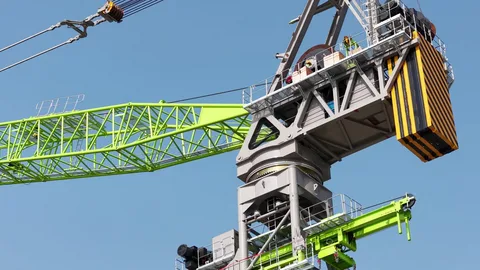
Modern construction projects grow increasingly complex. Cities expand upward at astonishing speeds. Infrastructure investment surges globally. High-rise towers and energy networks demand reliable lifting gear. Builders must move heavy materials with extreme precision. Rather than purchasing expensive machinery, contractors choose rental services. This smart shift provides operational flexibility. Furthermore, it reduces capital spending significantly. Businesses
Modern construction projects grow increasingly complex. Cities expand upward at astonishing speeds. Infrastructure investment surges globally. High-rise towers and energy networks demand reliable lifting gear. Builders must move heavy materials with extreme precision. Rather than purchasing expensive machinery, contractors choose rental services. This smart shift provides operational flexibility. Furthermore, it reduces capital spending significantly. Businesses avoid long-term ownership burdens completely.
Industry experts track this evolving market very closely. A detailed study by Vyansa Intelligence reveals impressive data points. The global tower crane rental market reached a valuation of USD 15 billion in recent years. Projections show it hitting USD 27 billion by 2032. Analysts calculate a compound annual growth rate of 8.76% from 2026 through 2032. Several key factors drive this explosive surge forward. Rapid urbanization fuels the constant need for tall buildings. Massive infrastructure projects require heavy lifting gear. Finally, construction firms increasingly prefer the rental business model over outright equipment ownership.
Tower cranes serve as the backbone of modern job sites. Powerful machines lift materials both vertically and horizontally. Precision remains critical for every single lift. Rental services help contractors match the perfect crane to specific project requirements. Buyers do not need massive upfront capital to get started. Providers handle difficult logistics seamlessly. They manage crane installation from start to finish. Workers perform necessary dismantling procedures safely. Additionally, providers supply regular maintenance and technical support. Construction firms benefit greatly from this smart arrangement. They focus entirely on project execution. Specialists manage heavy equipment operations independently.
Urbanization Triggers Massive Demand for Lifting Equipment
Urban centers grow faster than ever before. More people live in urban areas today than at any point in history. Official United Nations reports confirm this massive demographic shift. Half the global population now inhabits cities. Extreme density forces developers to build upward. Tall residential towers solve space problems efficiently. Business centers achieve identical goals. These projects demand specialized cranes. Equipment must operate in tight, space-constrained environments. It must also reach great heights reliably. Consequently, demand for rental equipment rises steadily across every major market.
Financial Flexibility Transforms Equipment Procurement
Buying a crane requires substantial capital investment. Contractors must pay for the physical machine. They must also budget for long-term storage facilities. Insurance costs add up quickly. Fleet management requires dedicated time and personnel. Alternative leasing solutions offer a smart, modern approach. Contractors access advanced cranes only when necessary. This practice improves cash flow. It eliminates long-term financial liabilities entirely. Firms pick different crane configurations for unique tasks. They avoid keeping expensive, underused assets on balance sheets. Developers prioritize cost-effective execution above all else. Therefore, they lean heavily toward flexible rental agreements.
Digital Technologies Improve Fleet Efficiency and Safety
Digital technology revolutionizes the rental sector today. Companies integrate telematics into fleets immediately. They use remote diagnostics to catch mechanical problems early. Predictive maintenance prevents failures before projects stall. GPS tracking keeps valuable assets secure. Digital platforms manage fleets with absolute ease. These tools increase equipment availability. They also boost operational efficiency significantly. Unexpected downtime causes massive delays. Modern tech minimizes these interruptions for everyone. Operators monitor crane performance in real time. This innovation improves overall safety. It also maximizes productivity on every single job site.
Infrastructure Spending Powers Long-Term Growth
Governments invest billions in public works. They build extensive transportation networks. Engineers construct massive airports. Renewable energy projects also demand heavy lifting capability. Many developments span several years. They require cranes throughout every phase of construction. Infrastructure investment supports economic development everywhere. The World Bank emphasizes this vital importance. Thus, demand for cranes remains exceptionally strong. Public funding anchors these extensive projects securely.
Safety Standards Shape Modern Equipment Deployment
Safety also dictates market trends. Contractors prioritize workplace protection above everything else. Modern rental providers comply with strict regulations. They inspect equipment thoroughly. Technicians ensure all cranes meet high engineering standards. Safety expectations evolve constantly. Providers keep pace by offering technologically advanced, reliable machines. Zero accidents remain the ultimate goal for every site manager.
Fleet Modernization and Value-Added Services Define Competition
The rental industry faces intense competition today. Providers fight for market share through aggressive fleet modernization. They buy newer, better cranes every year. Leading brands offer superior equipment availability compared to smaller rivals. Value-added services set true leaders apart. Some companies offer expert technical consulting. Others provide specialized operator training courses. Maintenance support remains a top priority. Contractors want responsive service. They need to minimize equipment downtime at all costs. Rental firms providing these extra services secure long-term partnerships.
Looking Toward the Future of Construction Rentals
Looking forward, prospects appear bright for this dynamic industry. Urbanization continues to push skylines higher. Infrastructure spending remains a global priority. Contractors demand greater flexibility. They also seek enhanced operational efficiency. Technological innovation drives further growth. Rental companies adopt smarter tools to manage fleets. All factors support a highly positive forecast. The tower crane rental market shows immense resilience. It offers essential support to the global construction industry.
Developers face pressure to complete projects faster. Clients demand high-quality results. Rental equipment empowers teams to meet these demands. Builders avoid the stress of managing a massive fleet. They rely on the expertise of rental providers instead. This partnership model defines the modern construction era. It allows small and large firms alike to compete on major projects. Financial flexibility allows companies to bid more aggressively. Better equipment availability ensures timely completion.
In conclusion, the shift toward rental services signals a mature construction industry. Companies understand the value of specialization. They focus on core strengths. Firms outsource equipment burdens completely. This strategy creates a more efficient supply chain. Everyone wins when projects run smoothly. Investors see better returns. City residents receive new homes and offices on schedule. The market for tower crane rentals will surely evolve further. It will continue providing the power and precision necessary to build the future. Stay tuned to these trends. They represent the heartbeat of modern urban development.