
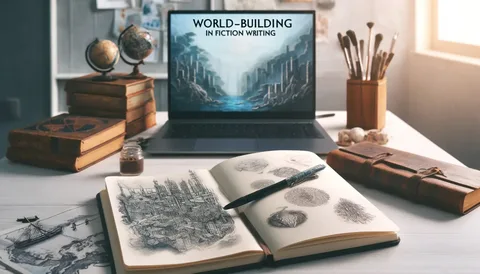
Worldbuilding is the creative process of designing an imaginary world with its own geography, history, cultures, rules, and systems. It is one of the most important elements in fantasy, science fiction, gaming, and storytelling be Worldbuilding shapes the atmosphere, conflicts, and emotions of a story. Because it gives depth and realism to a fictional universe.
Worldbuilding is the creative process of designing an imaginary world with its own geography, history, cultures, rules, and systems. It is one of the most important elements in fantasy, science fiction, gaming, and storytelling be Worldbuilding shapes the atmosphere, conflicts, and emotions of a story. Because it gives depth and realism to a fictional universe. A strong world does not simply act as a backdrop for the story—it becomes a living part of the narrative itself.
The best fictional worlds feel believable because they are built with detail and consistency. Whether it is a magical kingdom filled with dragons or a futuristic city powered by advanced technology, every great world follows its own logic. Readers and viewers become emotionally connected when a world feels immersive and complete.
Why Worldbuilding Matters
When done properly, worldbuilding helps audiences escape reality and fully enter the creator’s imagination. It adds richness to novels, films, games, and even tabletop adventures. Many iconic stories became memorable because of their incredible worlds rather than just their characters alone.
The Core Elements of Worldbuilding
Geography and Environment
Every world begins with its landscape. Mountains, rivers, forests, oceans, and climates affect how societies grow and interact. Geography determines trade routes, wars, resources, and lifestyles. For example, an island nation may become skilled in sailing and commerce, while a harsh desert empire may value water above all else.
Natural disasters, seasons, and ecosystems also make a world feel dynamic and alive.
History and Lore
A believable world has a past. Ancient wars, fallen kingdoms, discoveries, and legends create depth and realism. History shapes cultures and explains current conflicts. Even small details, such as old ruins or forgotten myths, can make a world feel layered and authentic.
Good lore gives audiences the feeling that events existed long before the main story began.
Cultures and Society
Culture is one of the most exciting aspects of worldbuilding. Languages, traditions, clothing, religions, food, festivals, and social customs define how people live. Varied cultures enhance a fictional realm, making it appear bigger and more authentic.
Different societies should have unique beliefs and values shaped by their environment and history. A warrior civilization may honor strength and combat, while a peaceful kingdom may focus on art and philosophy.
Politics and Power
Power systems create tension and drama. Authorities, realms, associations, enterprises, or sorcerous assemblies shape the functioning of the world. Political conflicts often drive stories forward because they create alliances, betrayals, and wars.
Understanding who controls resources and authority helps make the world more believable.
Magic, Science, and Rules
If a world includes magic or advanced technology, it must follow consistent rules. Limitations are important because they create balance and believable conflict. Without rules, powers can feel random and remove tension from the story.
A well-designed system should explain what is possible, what is forbidden, and what consequences exist.
Building a Living World
Strong worldbuilding focuses on details both large and small. Maps, currencies, architecture, transportation, and daily routines all contribute to immersion. Even ordinary activities such as eating, trading, or celebrating holidays can reveal a great deal about a society.
However, creators should avoid overwhelming audiences with unnecessary information. The best worlds reveal details naturally through storytelling rather than long explanations.
Consistency is also essential. Rules, cultures, and histories should remain logical throughout the story. If something changes, there should be a reason behind it.
Tips for Effective Worldbuilding
Creating a compelling world requires imagination, planning, and creativity. While there is no single formula for success, several techniques can help writers and creators build stronger fictional universes.
Start With the Big Picture
Many creators begin by focusing on the overall concept of their world. Think about the central idea first. Is the world magical, futuristic, post-apocalyptic, or inspired by ancient civilizations? Once the main vision is clear, smaller details become easier to develop.
Starting broad allows creators to establish the tone and direction of the world before diving into complex details.
Create Internal Logic
Every fictional world needs rules that make sense within its setting. If magic exists, people should understand its limits and consequences. If advanced technology powers society, there should be explanations for how it affects transportation, communication, and warfare.
Consistency builds trust with the audience. Readers are more likely to stay engaged when a world follows believable patterns and logical systems.
Develop Realistic Characters
Worldbuilding is not only about landscapes and politics—it is also about the people living inside the world. Characters should reflect the cultures, beliefs, and environments around them.
For example, someone raised in a war-torn kingdom may behave differently from a character growing up in a peaceful coastal city. Social class, religion, education, and traditions all influence personality and choices.
When characters feel connected to the world, the setting becomes more authentic.
Focus on Everyday Life
Small details often make a world memorable. Consider how people eat, travel, celebrate, work, and communicate. Think about their music, fashion, architecture, and entertainment.
These everyday elements make fictional societies feel alive because they mirror the complexity of real civilizations. Audiences enjoy discovering how ordinary people survive and interact in unfamiliar environments.
Use Conflict to Shape the World
Conflict is a powerful tool in worldbuilding. Wars, political struggles, economic inequality, religious differences, and environmental disasters all create tension and movement within a society.
A peaceful world with no problems can feel unrealistic and boring. Challenges force societies to adapt and evolve, making the world more dynamic and engaging.
Common Worldbuilding Mistakes
Even talented creators can make mistakes while designing fictional worlds. One common issue is adding too much information at once. Long explanations and excessive lore can slow down the story and overwhelm audiences.
Another mistake is creating worlds without clear rules. Inconsistent systems confuse readers and weaken immersion. If something impossible suddenly becomes possible without explanation, the audience may lose interest.
Some creators also focus heavily on worldbuilding while neglecting the story itself. A fascinating world still needs compelling characters and emotional conflict to keep audiences invested.
Worldbuilding in Modern Media
Today, worldbuilding plays a major role in books, movies, television, and video games. Fantasy and science fiction franchises are especially known for their detailed universes.
Open-world video games allow players to explore massive environments filled with hidden lore, cultures, and histories. Films and television series use worldbuilding to create visually immersive experiences that transport audiences into entirely different realities.
Even brands and businesses sometimes use worldbuilding techniques in marketing by creating fictional identities, stories, and experiences that connect emotionally with audiences.
Conclusion
Worldbuilding is the foundation of unforgettable storytelling. It transforms simple ideas into immersive experiences where readers, viewers, and players can lose themselves completely. A well-crafted world feels alive because every detail—from its geography to its myths—works together with purpose.
The art of worldbuilding is not about creating the biggest or most complicated universe. It is about creating a world that feels real enough for people to believe in, explore, and remember long after the story ends.
Worldbuilding is one of the most rewarding forms of creativity because it combines imagination, storytelling, design, and strategy. It gives creators the freedom to invent civilizations, histories, and entire realities from scratch.
A truly memorable world is not measured by its size or complexity alone. It succeeds when audiences feel emotionally connected to it—when they can imagine living there, exploring its cities, understanding its cultures, and experiencing its stories.
The greatest worlds inspire curiosity and wonder. They invite people to dream beyond reality and step into places limited only by imagination.