
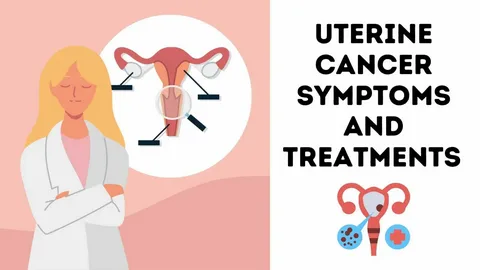
Unusual bleeding after menopause, pelvic discomfort, or abdominal heaviness can gradually affect your daily comfort and routine. These symptoms may seem mild at first, but they should not be ignored if they persist. In some cases, uterine cancer can be one of the possible causes behind these persistent changes. A diagnosis of uterine cancer can
Unusual bleeding after menopause, pelvic discomfort, or abdominal heaviness can gradually affect your daily comfort and routine. These symptoms may seem mild at first, but they should not be ignored if they persist. In some cases, uterine cancer can be one of the possible causes behind these persistent changes.
A diagnosis of uterine cancer can often feel overwhelming for you and your family. Understanding the available options for uterine cancer treatment may help you feel more informed during medical consultations and treatment planning. Treatment plans usually depend on the type and stage of cancer, overall health, and individual recovery needs.
Understanding Uterine Cancer
Uterine cancer develops in the tissues of the uterus, which is part of the female reproductive system. The most common type is endometrial cancer, which begins in the lining of the uterus. Less commonly, cancer may develop in the muscles or supporting tissues of the uterus. The condition is more commonly diagnosed after menopause, although it can occur earlier in some cases. Timely identification could enhance the likelihood of effective treatment and recuperation.
Symptoms That May Require Medical Evaluation
Not every woman experiences uterine cancer symptoms in the same way. Some symptoms may appear mildly at first, while others may become more frequent or uncomfortable over time.
- Abnormal vaginal bleeding
- Bleeding after menopause
- Pelvic pain or pressure
- Unusual vaginal discharge
- Pain during urination
- Unexplained fatigue or weight loss
These symptoms do not always indicate cancer, but medical evaluation is important if they continue or worsen over time.
How Uterine Cancer Is Diagnosed
To understand the cause of your symptoms, doctors usually begin with a medical evaluation and physical examination.
Pelvic Examination
A pelvic examination helps doctors identify visible or physical abnormalities in the reproductive organs.
Imaging Tests
Ultrasound, CT, or MRI may help evaluate the uterus and surrounding tissues.
Endometrial Biopsy
During this procedure, doctors collect a small sample from the uterine lining for detailed laboratory examination. This is one of the most common methods used to confirm uterine cancer.
Cancer Staging
Once diagnosed, doctors determine the stage of cancer to understand whether it has spread beyond the uterus. Staging helps guide treatment decisions.

Treatment Options for Uterine Cancer
Treatment for uterine cancer is usually planned after carefully evaluating your overall condition.
Surgery
The most common procedure is a hysterectomy, which involves removing the uterus. In some cases, nearby tissues, ovaries, fallopian tubes, or lymph nodes may also be removed. Surgery may help remove cancer before it spreads further. How quickly you recover can depend on the procedure performed and your overall physical health.
Radiation Therapy
Doctors may use radiation therapy to target cancer cells with high-energy radiation. It may be recommended after surgery to reduce the risk of cancer returning. In certain situations, radiation may also be used before surgery or when surgery is not suitable. Radiation treatment may be delivered externally or internally through a method called brachytherapy.
Chemotherapy
In chemotherapy, specialized medicines are used to target and destroy cancer cells. It is commonly used when cancer has spread outside the uterus or carries a higher risk of recurrence. Some patients receiving Uterine cancer treatment through chemotherapy may experience side effects such as nausea, fatigue, hair loss, or reduced appetite.
Hormone Therapy
Certain uterine cancers are influenced by hormones. Hormone therapy is sometimes used to help reduce or control the growth of cancer cells. This treatment is sometimes considered for advanced cancer or for younger women where fertility preservation is being evaluated carefully.
Targeted Therapy and Immunotherapy
Depending on the condition, advanced treatments such as immunotherapy and targeted therapy may also be recommended. These treatments differ from traditional chemotherapy and aim to target cancer cells more precisely or to support the immune system in recognizing and attacking them.
Factors Doctors Consider Before Planning Treatment
The treatment plan is often decided after carefully evaluating factors such as:
- Stage and grade of cancer
- Age and general health
- Spread of cancer to nearby tissues
- Existing medical conditions
- Fertility considerations
- Expected recovery and rehabilitation needs
Doctors usually develop personalized treatment plans after discussing the patient’s condition, preferences, and overall treatment goals.
Recovery and Follow-Up Care
Recovery after uterine cancer treatment may take time and can involve both physical and emotional adjustment. Some women may recover faster after surgery, while others may need additional support during chemotherapy or radiation therapy. Regular follow-up visits help doctors monitor recovery and check for any signs of recurrence. Lifestyle changes, nutritional support, physiotherapy, or counselling may also be recommended as part of long-term care. Emotional support from family members, support groups, and healthcare teams can further help during the recovery journey.
Conclusion
A uterine cancer diagnosis can bring many questions about treatment, recovery, and long-term care. The right treatment approach often depends on several factors, including the stage of cancer, overall health, and individual treatment goals. Surgery, radiation therapy, chemotherapy, hormone therapy, and newer targeted approaches may all play a role in care planning.
Understanding the available options for uterine cancer treatment can help you feel more prepared during discussions with your healthcare team. Timely diagnosis, personalized treatment planning, and regular follow-up care often support better recovery and overall well-being.