
Modern automotive manufacturers constantly push the boundaries of mechanical engineering. They want to improve fuel efficiency for everyday drivers. They also aim to reduce tailpipe emissions significantly. Furthermore, designers want to enhance the overall performance of passenger vehicles. These goals led to several major under-the-hood innovations over the last decade. One significant breakthrough stands out
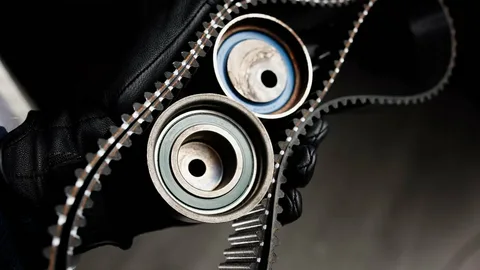
Modern automotive manufacturers constantly push the boundaries of mechanical engineering. They want to improve fuel efficiency for everyday drivers. They also aim to reduce tailpipe emissions significantly. Furthermore, designers want to enhance the overall performance of passenger vehicles. These goals led to several major under-the-hood innovations over the last decade. One significant breakthrough stands out clearly in many modern engines. Engineers call this component a wet timing belt. Many people also refer to it as a belt-in-oil system.
Unlike traditional setups, this unique belt operates completely inside the internal structure of the engine. The engine oil continuously bathes and lubricates the belt during operation. This clever arrangement offers several immediate mechanical advantages. It drastically reduces internal friction. It also creates a much quieter engine sound during acceleration. However, this innovative configuration changes the rules of regular car maintenance completely. Car owners must take this design seriously. You must understand the true costs of wet timing belt replacement. You must also know exactly when to replace these systems. This knowledge helps you avoid massive, budget-breaking engine repair bills down the road.
The Hidden Threat
Traditional timing belts run completely dry outside the main engine block. They sit behind simple plastic covers. Therefore, they only face standard atmospheric wear and tear. In contrast, a wet timing belt lives in a harsh, chemically active environment. It depends entirely on the cleanliness of your engine oil. Over time, engine oil naturally degrades. It collects microscopic fuel deposits and harmful carbon contaminants. This contaminated oil attacks the rubber compounds inside the belt.
Consequently, the rubber material weakens rapidly. It begins to crack and peel apart. As the belt deteriorates, it sheds tiny rubber particles directly into the oil pan. These floating pieces of debris pose a catastrophic threat to your vehicle. They quickly float toward the oil pickup pipe. The debris blocks the vital strainer screen completely. Therefore, the engine loses its oil pressure within seconds. This blockage starves critical components like camshafts, bearings, and turbochargers of lubrication. The entire engine can seize up completely during a drive. This failure forces you to buy a whole new engine. For this reason, automotive professionals advise against waiting for visual signs of belt wear. You must follow the strict manufacturer replacement intervals precisely.
Breaking Down the True Cost of Replacement
Vehicle owners frequently wonder why wet timing belt replacement costs vary so much between different models. In the United Kingdom, a standard wet belt replacement typically costs between six hundred pounds and twelve hundred pounds. Sometimes the final bill exceeds this range. Several concrete factors drive this price fluctuation in the automotive market. First, the specific vehicle make and engine layout play a massive role. For example, replacing a wet belt on a small Ford Fiesta 1.0 EcoBoost takes less effort than a large Ford Transit van. Second, the extreme amount of labor time inflates the cost.
Because the belt lives inside the engine, mechanics must perform a major strip-down. They must remove numerous heavy components just to access the area. This intense process usually requires six to ten hours of highly skilled labor. Third, you must pay for related parts. A proper job requires a brand-new wet belt kit, fresh gaskets, and high-quality seals. Fourth, technicians must perform a full engine oil flush and filter change. They need to clear out any hidden rubber debris from the system. Finally, using genuine manufacturer parts raises the price but guarantees long-term safety. Ignoring the service schedule might seem like a good way to save money this month. However, a sudden belt failure will quickly cost you thousands of pounds in catastrophic engine repairs.
Crucial Warning Signs Drivers Must Monitor
Wet timing belts usually degrade slowly over many thousands of miles. This gradual wear makes early diagnosis incredibly important for vehicle longevity. Drivers must actively watch for specific warning signs while operating their vehicles. For instance, the dashboard check engine light might illuminate unexpectedly. You might also notice a significant drop in overall engine performance. The car might struggle to accelerate smoothly on the highway. Unusual ticking or whining noises coming from the front of the car also signal trouble.
Furthermore, a worn belt can cause engine synchronization issues. This problem leads to hard starting or rough idling in the morning. A low oil pressure warning light represents the most dangerous symptom of all. This light often means that rubber flakes already block your oil strainer. Mechanics often find these dark rubber particles at the bottom of the oil pan during a routine service. None of these warning signs deserve your silence or neglect. You must investigate them immediately. Regular professional inspections allow technicians to catch these problems early. They solve the issue before it turns into a massive mechanical disaster.
Proactive Maintenance Rules for Ultimate Reliability
Preventive maintenance remains your absolute best weapon against unexpected engine failure. You can extend the life of your wet timing belt significantly through disciplined habits. First, you must schedule routine oil changes much more frequently. Many specialists recommend changing your oil every six thousand to eight thousand miles. This interval beats the standard manufacturer guidelines. Second, you must use the exact engine oil specification that your manufacturer dictates. Using the wrong oil grade will accelerate the chemical breakdown of the belt material.
Third, technicians must replace the oil filter during every single service drop-off. Fourth, you must address any dashboard warning lights without delay. Do not wait for the car to stop running completely. Fifth, request a manual oil pan inspection if you suspect belt degradation. For motorists researching wet timing belt replacement Trowbridge, finding an experienced local workshop makes a massive difference. Experienced specialists understand these delicate engine designs perfectly. They ensure that your car receives the exact technical care it requires for daily reliability.
Finding the Perfect Workshop for This Technical Task
Not all repair garages possess the specialized tools required for wet timing belt servicing. This complex procedure demands advanced mechanical knowledge and precision equipment. Vehicle owners must carefully select a workshop that understands specific manufacturer guidelines. A truly professional repair center follows a very strict and thorough process.
To start, the technician will thoroughly inspect all surrounding engine components for wear. They will replace all relevant rubber seals and gaskets to prevent future oil leaks. Next, they will install a certified, high-quality timing belt kit. They will always refill the engine with fresh, factory-approved oil. Finally, the mechanic will verify the engine timing settings using specialist alignment tools. If you want reliable guidance, you can check educational resources from local experts like S&M Auto Service. They explain these technical considerations clearly. They help drivers make smart maintenance decisions without relying on aggressive sales tactics.
Final Summary
Ultimately, managing your wet timing belt replacement cost is a smart financial investment. It is not just another annoying chore on your monthly garage checklist. This proactive habit protects the most expensive component of your motor vehicle. Wet timing belts deliver fantastic fuel economy when you treat them correctly. They lower your carbon footprint and keep your engine running quietly. However, delaying your scheduled replacement introduces an immense financial risk.
Whether you check replacing wet timing belt guides online or book a wet timing belt replacement Trowbridge appointment, action beats procrastination. You must follow your service manual faithfully. You must also budget for regular high-grade oil changes. Always seek out qualified automotive professionals when the replacement interval arrives. This proactive strategy keeps your vehicle completely road-ready. It extends the total lifespan of your engine. Most importantly, it saves you from stressful breakdown situations and massive unexpected repair expenses across the United Kingdom.