Planning the right season for your adventure can transform your Inca Trail journey from a good hike into a once-in-a-lifetime experience filled with breathtaking views, comfortable weather, and unforgettable cultural moments. Choosing the best time to visit inca trail is one of the most important decisions every traveler must make before booking this iconic trek
Planning the right season for your adventure can transform your Inca Trail journey from a good hike into a once-in-a-lifetime experience filled with breathtaking views, comfortable weather, and unforgettable cultural moments. Choosing the best time to visit inca trail is one of the most important decisions every traveler must make before booking this iconic trek to Machu Picchu.
The Inca Trail is one of the world’s most famous hiking routes, combining ancient Incan history, diverse landscapes, and stunning mountain scenery. However, weather conditions in Peru’s Andes Mountains vary significantly throughout the year, which directly impacts trail conditions, visibility, and overall trekking comfort. With expert guidance from Alpaca Expeditions, travelers can plan their journey during the most suitable season based on their preferences and travel goals.
Understanding the Seasons on the Inca Trail
The Inca Trail experiences two main seasons: the dry season and the rainy season. Each offers unique advantages, but understanding their differences helps trekkers make informed decisions.
Dry Season (May to September) – Peak Trekking Time
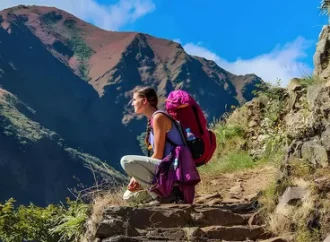
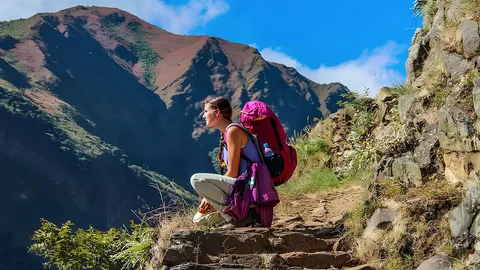
The dry season is widely considered the best time to visit inca trail because of clear skies, minimal rainfall, and excellent trekking conditions. During these months, hikers enjoy panoramic mountain views, bright sunshine, and safer trail surfaces.
June, July, and August are especially popular because the weather is stable, making photography and sightseeing more enjoyable. Daytime temperatures are comfortable for hiking, although nights can become quite cold at higher altitudes. Since this is peak tourist season, permits sell out quickly, so booking early with Alpaca Expeditions is highly recommended.
Advantages of the dry season:
- Clear views of Machu Picchu and surrounding peaks
- Less mud and easier trail conditions
- Ideal weather for hiking and camping
- Excellent sunrise experiences at the Sun Gate
Rainy Season (November to March) – Lush and Quiet
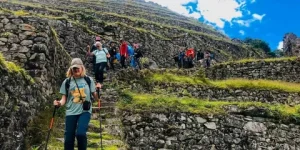
The rainy season transforms the Andes into a vibrant green paradise. While rainfall is more frequent, the landscapes become incredibly lush and less crowded. January and February receive the heaviest rain, and the Inca Trail is officially closed every February for maintenance and conservation.
Travelers who prefer fewer crowds may enjoy trekking during November or early March when rainfall is lighter. Alpaca Expeditions ensures trekkers are well prepared with proper gear and safety guidance during wetter months.
Advantages of the rainy season:
- Fewer tourists on the trail
- Beautiful green scenery
- More peaceful trekking experience
- Unique cloud-covered mountain views
Shoulder Seasons – The Perfect Balance
Many experienced hikers consider April and October the ideal compromise between weather and crowd levels. These months offer moderate temperatures, occasional rain, and fewer visitors compared to peak season.
During these shoulder months, trekkers can enjoy comfortable hiking conditions while still experiencing relatively clear views. For travelers seeking balance between cost, weather, and availability, these months can be an excellent choice.
Weather Conditions Along the Trail
Because the Inca Trail passes through multiple elevations—from cloud forests to high mountain passes—weather can change quickly. Daytime temperatures typically range between 15°C and 25°C, while nighttime temperatures may drop close to freezing at higher campsites.
Packing layers is essential regardless of the season. Alpaca Expeditions provides detailed packing guidance so trekkers stay comfortable throughout the journey.
Why Timing Matters for Your Experience
Selecting the right travel period affects more than just weather. It also influences photography opportunities, trail difficulty, and overall enjoyment. Clear skies allow hikers to fully appreciate archaeological sites along the trail, while dry paths reduce physical strain.
Additionally, festivals in Cusco, such as Inti Raymi in June, can enhance your cultural experience before or after the trek. Planning your visit around local celebrations adds another memorable dimension to your adventure.
Tips for Choosing Your Ideal Travel Month
Here are a few helpful tips when deciding when to go:
- For best weather: Travel between May and September.
- For fewer crowds: Choose April, October, or November.
- For greener landscapes: Consider March or early November.
- Avoid February: The trail is closed annually for maintenance.
Booking early is crucial because daily permits for the Inca Trail are limited by the Peruvian government to protect the historic route. it assists travelers with permits, logistics, and preparation, ensuring a smooth and stress-free planning process.
Why Trek with Alpaca Expeditions?
Alpaca Expeditions is known for its experienced guides, sustainable tourism practices, and exceptional customer service. The company focuses on safety, cultural respect, and authentic experiences while supporting local communities through ethical employment practices.
From knowledgeable guides to high-quality camping equipment and carefully planned itineraries, it ensures every trekker enjoys both comfort and adventure. Their expert team helps travelers choose the best travel window based on weather patterns, fitness levels, and personal preferences.
Final Thoughts
By selecting the right season and traveling with experienced professionals like Alpaca Expeditions, you can enjoy a safe, memorable, and truly rewarding trek to Machu Picchu. Careful planning ensures that your adventure.